Patients are encouraged to drink ample water post-surgery and maintain a balanced diet rich in vitamins and minerals that promote skin health. In addition to these general guidelines, specific topical treatments can be applied to the wound area once it has sufficiently healed. Silicone gel sheets or silicone-based creams have been shown to effectively reduce scar appearance when used consistently over time. These products work by hydrating the scar tissue and creating a protective barrier that encourages favorable healing environments.
However, such massages should only begin after wounds have fully closed and with approval from a healthcare professional. Lastly, protecting new scars from sun exposure is paramount since ultraviolet (UV) rays can darken scars making them more visible against surrounding skin tones. Sunscreen application or covering scars with clothing are simple measures that go a long way in safeguarding delicate healing tissues from UV damage.
By keeping wounds clean, avoiding undue stress on sutures during recovery phases; staying hydrated; nourishing one’s body properly; using specialized topical agents; gently massaging when appropriate; protecting against harmful sun rays—patients can significantly influence their scarring outcomes following surgery for better aesthetic results while still prioritizing their overall health throughout recovery processes. The Evolution of Aesthetic Standards in Plastic SurgeryThe Evolution of Aesthetic Standards in Plastic SurgerySince the inception of plastic surgery, the discipline has been deeply intertwined with the ever-shifting sands of aesthetic ideals. Historically, these standards were heavily influenced by cultural factors and societal expectations.
In ancient times, for instance, body modifications like scarification and elongation practices were revered within certain tribes as hallmarks of beauty. As cultures collided through conquests and trade, so too did their concepts of attractiveness. The Renaissance period brought forth an adoration for voluptuous figures in women as depicted by artists like Rubens; curves became synonymous with prosperity and fecundity.
With technological advancements in the 19th century came photography, which soon played a pivotal role in disseminating specific images of beauty that transcended borders. This visual medium helped standardize certain features over others – a trend that continued into the early 20th century when Hollywood's silver screen began projecting its version of glamour worldwide. During this era, the archetype of beauty was narrow: fair skin, svelte bodies, and delicate facial features dominated. Plastic surgery emerged as a means to achieve this ideal for those who didn't naturally possess it. Procedures such as rhinoplasty and breast augmentation gained popularity among those seeking to fit this mold.
People started to question why only one standard should be considered beautiful. This realization gradually paved the way for broader acceptance within plastic surgery circles as well; surgeons began recognizing that patients had different goals related to their ethnic backgrounds or personal preferences rather than conforming strictly to Western ideals. Today's landscape is even more inclusive with individuals increasingly opting for procedures that enhance their unique features instead of erasing them. 'Ethnic rhinoplasties' tailor outcomes closely aligned with patients' heritage while 'mommy makeovers' acknowledge changes women experience post-pregnancy without pressing them back into pre-baby shapes. Moreover, non-invasive techniques have surged in popularity due primarily to advancements technology but also because they allow subtle refinements without drastic alterations – aligning well with contemporary notions valuing authenticity alongside beauty enhancements.
Furthermore, social media has democratized aesthetic standards further still by providing platforms where myriad definitions can flourish outside traditional media channels. Influencers frequently celebrate individuality thus shaping trends based on real people’s appearances rather than unattainable celebrity looks alone. Conclusively, plastic surgery stands at an interesting juncture today where it not merely reflects changing aesthetic standards but actively contributes towards evolving them through innovation patient-centric approaches fostering diversity inclusion within its practice – a far cry from its homogeneous beginnings testament dynamic nature human beauty perceptions themselves. Safety Measures and Risk Management in Surgical ProceduresSafety measures and risk management are crucial components of surgical procedures.
This essay explores the essential elements and practices that constitute effective safety protocols and risk mitigation strategies in the operating room. At its core, safety in surgery is about anticipating potential dangers and instituting preventative actions. Surgeons, anesthesiologists, nurses, and other healthcare professionals must work as a cohesive unit to identify hazards before they escalate into serious issues.
Preoperative planning is one area where risks can be significantly reduced. By thoroughly evaluating a patient's medical history, current health status, and specific needs related to their upcoming procedure, healthcare providers can tailor their approach accordingly. Adequate preparation includes ensuring all necessary equipment is functioning correctly and available for use during surgery.
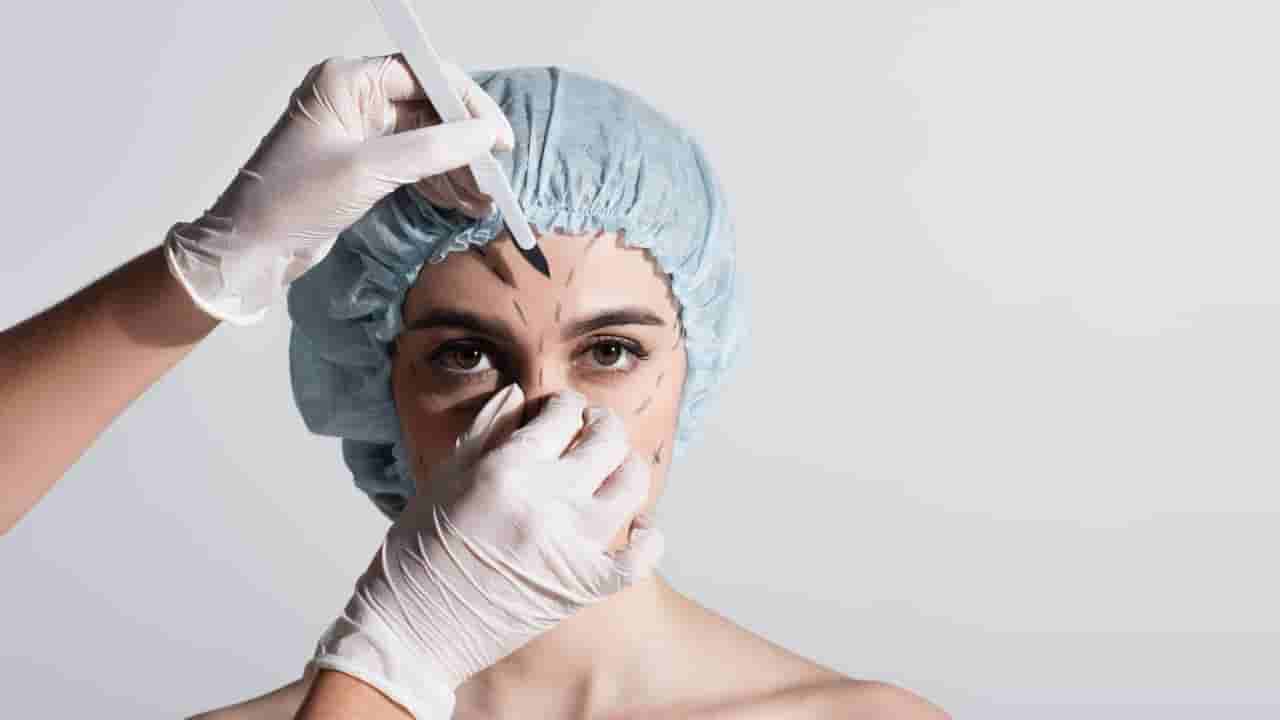
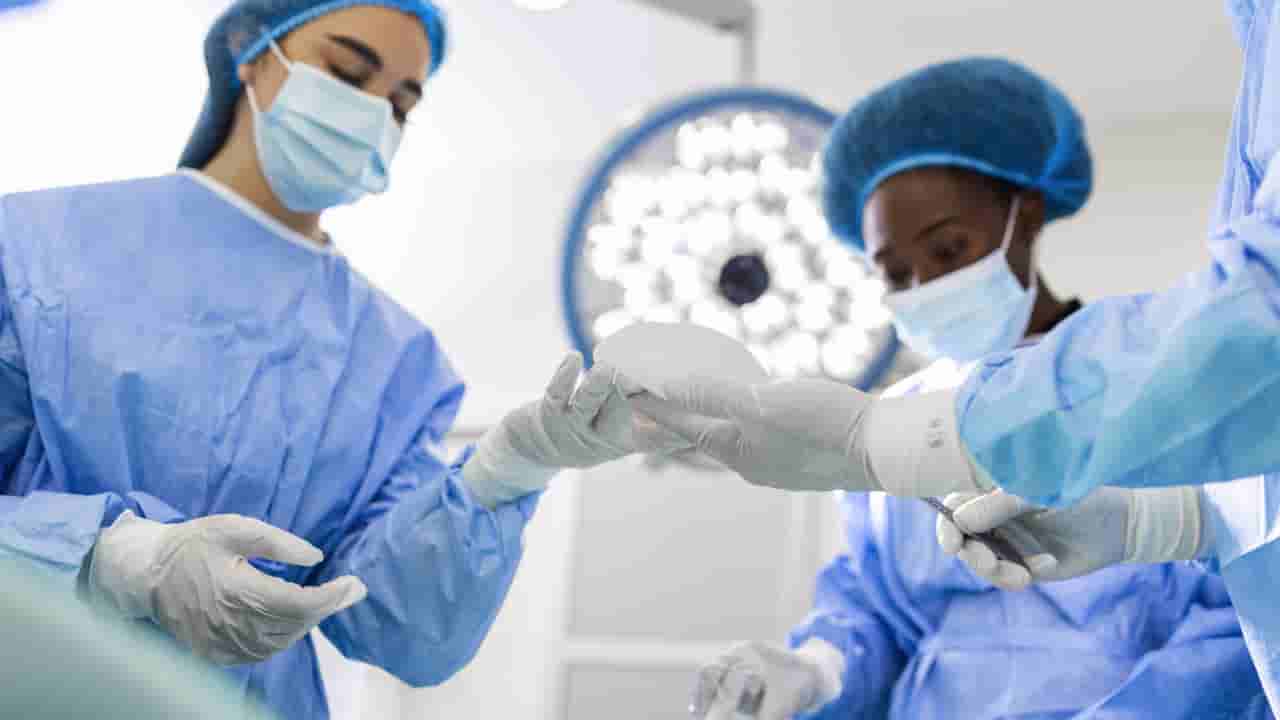
Sterilization processes cannot be overstated regarding importance. Surgical instruments must undergo rigorous cleaning protocols to eliminate any possibility of infection transmission between patients. Furthermore, strict adherence to hand hygiene by all operating room personnel serves as a primary defense against postoperative infections. Intraoperatively, real-time monitoring systems provide vital data on patient physiology—such as heart rate, blood pressure, oxygen levels—which inform immediate interventions if values deviate from acceptable ranges.
Postoperative care holds equal significance when considering overall safety measures. Smooth transitions from surgery to recovery rooms require detailed communication among professionals about what transpired during the operation and what to monitor going forward. Patient follow-up appointments are another layer of precaution where doctors assess healing progress or detect early signs of complications needing attention.
In conclusion, safety measures and risk management in surgical procedures represent an interplay between technology advances and steadfast commitment from healthcare teams to uphold best practices consistently. By embracing both innovation and fundamental principles like thorough sterilization techniques or diligent pre-surgical assessments—the medical community continues improving outcomes for those entrusted into their care during such critical times as surgery.
What Is the Secret to Age-Defying Looks? Uncover the Plastic Surgeon's Artistry! In the quest for eternal youth, many turn to the mystical realm of plastic surgery, a field where surgeons wield scalpels like artists clutch their brushes. But what truly lies at the heart of age-defying looks? Is it mere vanity, or is there a deeper alchemy at play within this modern-day fountain of youth?
The plastic surgeon, often perceived as a mere technician, is indeed an artist whose canvas is the very fabric of our being. Yet, to suggest that surgery alone can grant one timeless beauty is to misunderstand the nuanced symphony that plays beneath the skin. For underlying every taut line and smooth contour are not only incisions and sutures but also a lifestyle adorned with healthy habits. It is here—within this tapestry woven from sun protection, balanced nutrition, ample hydration, and regular exercise—that we find another layer of truth.
However, even with favorable genes as allies, there remains no panacea against time's relentless march. Instead, those who appear to defy aging understand that skincare regimens must evolve with passing decades—an ongoing dance between changing needs and responsive care. Thus emerges a picture far more complex than any single procedure could encapsulate: The artistry lies not just in surgical skill but also in crafting personalized blueprints for longevity that consider all aspects of an individual's life. This holistic approach marries science with sensibility—a testament to medicine's evolution beyond its empirical roots into realms once ruled by whispers of magic.
Whether under bright lights on red carpets or amidst quiet gatherings away from prying lenses, such individuals carry an air both enigmatic and enviable—an air wherein artistry and diligence have conspired to sculpt time itself. In conclusion, while plastic surgery offers remarkable tools for transformation—tools sharpened by expertise and wielded with precision—the true secret to age-defying looks spans well beyond operating theaters. It dwells equally in patience and persistence; in embracing science-based skincare; in nurturing oneself both inside and out; and ultimately, in recognizing that beauty transcends age when cultivated with care and consciousness. What Is Transforming Celebrities Overnight?
Discover the Plastic Surgeon's Magic Touch! In the dazzling world of showbiz, appearance often seems to hold as much weight as talent. Celebrities, perpetually under the scrutiny of high-definition cameras and the critical public eye, feel a relentless pressure to maintain an image of physical perfection. It's no wonder that so many turn to cosmetic procedures for a touch of transformation – seeking out skilled plastic surgeons whose hands wield the power to alter appearances almost overnight. Imagine walking down a crimson carpet, flashing lights capturing every angle of your visage.
The demand for flawless beauty can be overwhelming, and it's here that plastic surgery enters the scene like a magician ready to cast a spell. Plastic surgeons are akin to sculptors of flesh and bone; their clinics are studios where artistry meets science in pursuit of aesthetic enhancement. With precise incisions, strategic injections, and innovative techniques, they have mastered how to soften time's imprint on the skin or reshape contours that do not align with Hollywood's golden ratios. This craft is not about mere vanity; it also encompasses reconstructive procedures that restore functionality and self-esteem to individuals who've suffered trauma or congenital anomalies.
To say these surgeons work magic might seem hyperbolic but consider this: celebrities emerge from recovery with transformations so seamless they fuel rumors of fountain-of-youth discoveries. Their metamorphosis can be so profound that they look refreshed as if reborn into new personas while still retaining their core recognizable features. These changes aren't solely for those gracing magazine covers; they're accessible to anyone willing (and able) to invest in their physique through modern medicine’s marvels. However, within this accessibility lies ethical debates about body image standards propagated by such rapid aesthetic alterations.
But behind every transformed facade lies both mastery and mystery: How does one balance natural beauty against societal pressures? And at what point does enhancement eclipse authenticity? The surgeon's magic touch comes with responsibility — wielding influence over people’s perceptions not only about themselves but also setting precedents for beauty ideals worldwide. As we marvel at before-and-after pictures splashed across glossy pages or illuminated screens, let us remember that true enchantment lies within diversity and individuality far beyond any surgeon’s reach.
What Is Your Path to a Picture-Perfect Smile? The Plastic Surgeon's Mastery Revealed! Embarking on a journey towards the quintessence of dental aesthetics, one must acknowledge that it is not merely an endeavor for the faint-hearted. It's a meticulous blend of artistry and technical prowess, wielded by the maestro in plastic surgery, whose mastery can sculpt your visage into a portrait of radiant beauty. The pursuit begins with a comprehensive analysis where the surgeon assesses not just teeth but also the harmony between lips, gums, and facial structure.
Herein lies the genius – understanding that each smile is as individual as a fingerprint. As you navigate this voyage, be prepared to encounter cutting-edge procedures. Veneers crafted from porcelain promise to bestow upon your teeth an impeccable façade. Yet they are but one instrument in the virtuoso's repertoire.
However, caution must be exercised; this path demands patience and precision. The plastic surgeon operates much like an artist chiseling marble – every adjustment must be deliberate and considered lest the masterpiece suffers from haste or inattention. Moreover, technology plays its part in manifesting these dreams into tangible reality. 3D imaging allows for previews of potential results, ensuring alignment with patient aspirations before commitments are made to the transformative process. In conclusion, achieving picture-perfect dentition through plastic surgery is not simply about superficial alterations; it’s an intricate dance between science and aesthetics underpinned by skillful execution.